


Sustainability is something that has gained significant importance among the businesses, consumers and governments all over the world. With the ever-increasing technology, the environmental footprint is increasing. Data centers cost huge quantities of power. Electronic waste is growing annually. And computing needs are on a rapid increase. The emergence of green computing has been brought about to deal with such challenges.Green computing is aimed at designing, producing, utilizing and disposing technology in a manner that minimizes environmental damage. This article discusses how sustainable tech is transforming sectors, reducing energy consumption, and assisting organizations in minimizing their carbon footprint. Knowing about these innovations, the business and individuals can make more intelligent and more environment-friendly choices.
What Is Green Computing and Why It Matters
Green computing involves the act of consuming computing resources in an efficient and responsible fashion. It deals with all the stages of technology-production to disposal. This practice will curb carbon emission, lessen energy costs, and decrease the toxic waste.
The technological sector is a massive consumer of energy in the world. Single data centers consume more power than other countries. That is why green computing is not a choice anymore. Now it is an important step to creating a sustainable digital future.
Energy-Saving Hardware and Devices
The contemporary appliances are also being developed to consume less energy whilst performing more. The low-power processors, optimized chips, and efficient cooling systems are being adapted by the manufacturers. The changes assist the companies in decreasing the operating costs and aid in long term sustainability.
Laptops, monitors and servers that consume less energy reduce the amount of electricity used without reducing the workload capacity. Minor enhancements, like LED screens or power-saving settings, can make an enormous difference when multiplied by the millions of computers around the globe.
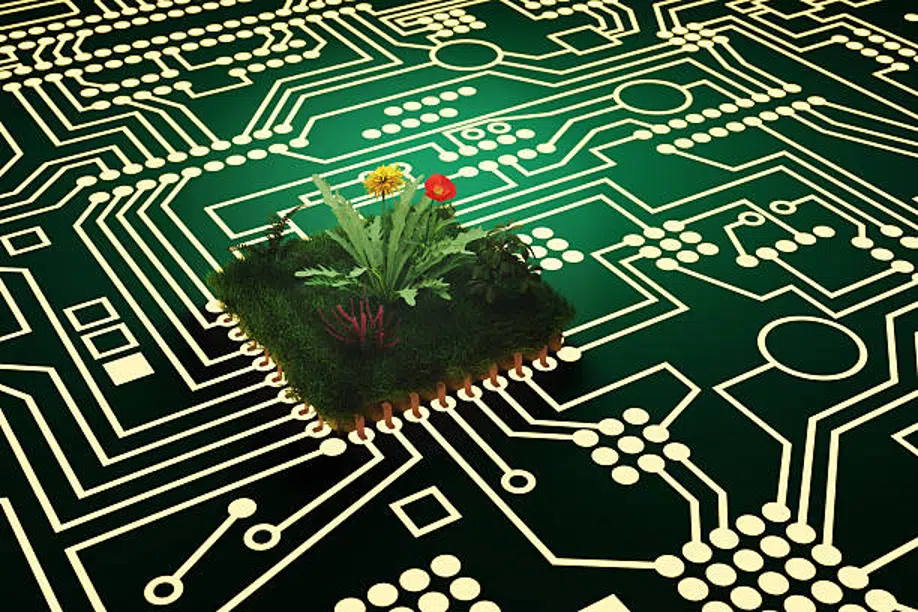
Green Data Centers and Renewable Usage of energy
Migration to solar power, wind power, and hydro-powered data centres.
The digital transformation is centered on data centers. They are, however, big consumers of energy as well. To resolve this, businesses are incorporating state of the art cooling methods like liquid cooling, natural airflow systems and heat recycling. These technologies lower the use of conventional cooling technologies that consume a lot of energy.Most big enterprises are transitioning to renewable energy. Google and Microsoft are tech giants that invest in solar and wind farms to operate their centers. This change has been a big accomplishment in terms of carbon emission reduction and a good example to the industry.
Virtualization and Cloud Streeting in a Sustainable Way
Cloud computing is significant in green technology. Having applications and files stored in remote servers will enable the companies to avoid the heavy infrastructure on site. Clouds enable systems that work at optimal efficiency, which is usually better as compared to the traditional systems.
Virtualization enables the use of a single physical server by many virtual machines. This enhances the use of hardware and minimizes the use of extra equipment. Consequently, companies consume less energy, produce less waste, and reduce the amount of carbon emissions caused by hardware.
- e-Waste Management and Recycle Programs.
- Electronic recycling programs that are safe.
- Recycling parts to save on global wastes.
One of the most rapidly developing environmental issues is electronic waste. Old computers, phones, and servers usually find their way in landfills whereby the toxic materials poison the soil and water.Green computing promotes responsible disposal and recycling of electronics. Numerous firms currently have take-back programs that collect used gadgets and reuse valuable materials. The process of recycling metals, plastics, and components lead to a decrease in the usage of new raw materials and the reduction of the damaging waste.
Green Software and Environmentally Friendly Software Development
Software contributes significantly to the operation of power. The present-day developers develop applications with reduced requirements, less memory, and better battery performance.
Green coding methods cut on the amount of work, which hardware has to do, enabling it to operate at lower temperatures and have an extended lifetime. With millions of users operating optimized software, the world would save a lot of energy.
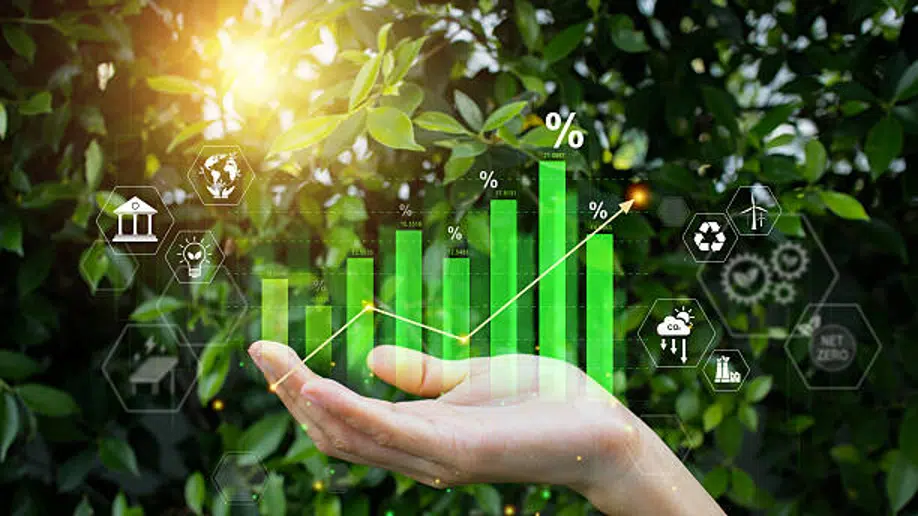
The Future of Green Computing and Its Implications to the World
Sustainable technology holds a bright future. Increasing companies are making pledges of carbon neutrality. Regulations that are eco-friendly are being implemented by governments. Consumers are shifting their preference to brands that consider sustainability.
The use of emerging technologies such as AI-controlled energy management, smart grids, and biodegradable electronics will contribute to environmental impact reduction even more. Green computing will be the norm in any industry as more innovation takes place.
Conclusion
Green computing is a trend but it is a crucial aspect of the future. The technological sector can have an enormous impact on the planet by using low-energy devices, green data centres, and enhanced recycling policies. Companies that adopt sustainable technology do not only save on cost, but also develop a responsible brand image. With the increasing environmental issues, green computing will continue to be a necessity to a cleaner, greener and more sustainable world.

