

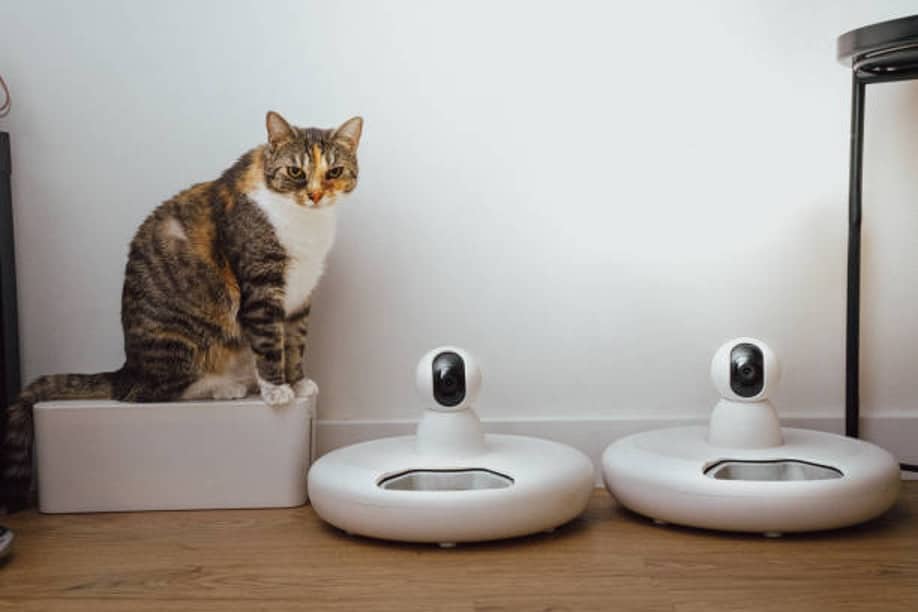
The life of modern homeowners has become dependent on interconnected gadgets, which are used to perform the functions that previously had to be done manually. IoT has transformed the concept of convenience as it is now characterized by voice-controlled appliances and smart climate control.This trend is still expanding and the concept of a smart home is becoming the norm and not a luxury anymore. With the changing of technology, the IoT communication devices are more technologically advanced and responsive to the user habits, they are able to make the living experience a much easier one. These inventions are transforming the normal homes into intelligent homes. The trend does not indicate any tendency to decrease, and the knowledge of how IoT will advance the concept of smart homes will allow both consumers and businesses to prepare for the future.
Internet of Things as the Support of the Smart Home of the 21st Century
A smart house cannot operate without the powerful, networked system, and this is where IoT is important. IoT networks are used in every communicating, data-gathering and action-taking device. This ecosystem enables lights, sensors, appliances and security systems to be used together without the intervention of man.A thermostat is able to adapt itself according to routine. A refrigerator is able to warn you when you are out of groceries. You can have a door lock that detects you as you enter and unlocks. All these are enabled by a common communication layer that is offered by IoT.This is what makes the difference between a simple electronic equipment and a smart one. It is not only about being digital. It is concerned with being conscious, sensitive and communicative. Smart homes are increasingly becoming flexible and more customized, as information circulates among devices.
Greater Convenience, Everyday Automation
One of the largest causes why people invest in smart home technology is convenience. The Internet of Things can make daily activities less complex and less amount of work is required to manage a home. They get to know user patterns, react fast and automate repetitive tasks. That will save time and make living conditions more comfortable.
Some of the uses of IoT to enhance convenience include the following:
- Smart lights get on or off with the presence or voice command.
- Smart thermostats change their temperatures based on habits.
- Virtual assistants are useful in scheduling and reminders.
- Robots in cleaning take care of floors without being monitored.
These interactions appear tiny, yet they are significant value adders when the combination takes place. IoT based automation provides a lifestyle managed by a home instead of a vice versa. This is changing the way individuals live their day to day life.
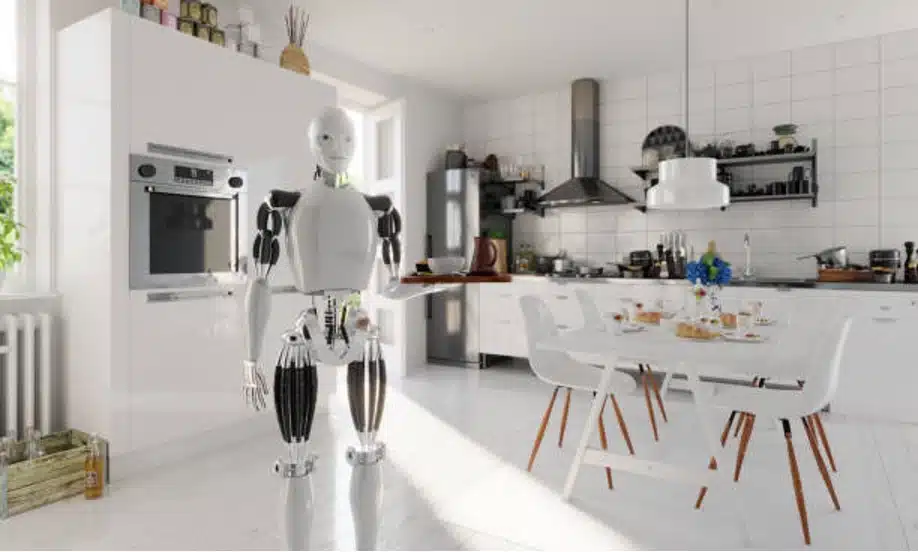
Enhanced Security in their Homes using Smart Monitoring
A high level of security is considered one of the potent forces behind the use of smart homes. IoT enables real-time awareness and gives homeowners the ability to see their properties in real time wherever they are. The contemporary home is safer than ever before, with intelligent cameras, door sensors, motion sensors and integrated alarms.
Such systems have real-time updates and immediate notifications. There may be a smart doorbell which can alert you when somebody gets to the entrance. Security cameras have the ability to identify abnormal movements. A smoke detector can send an alarm straight to your phone. IoT has a degree of monitoring that cannot be matched with traditional systems.
Another important benefit is the remote control.
Energy Saving and Sustainable Living
The management of the energy supply at home is a primary concern of the homeowners, and the IoT facilitates this more than ever before. IoT-based smart homes are capable of analyzing patterns of use, minimizing waste, and minimizing energy usage. This aids in reducing utility bills and encouraging sustainable living.
Significant roles of IoT to energy efficiency include:
- Smart meters that provide precise energy data.
- Light automation and lights are turned off when they are not in use.
- Weather induced changes in climate systems.
- Intelligent plugs that control the use of gadgets to prevent power wastage.
These did not only help in cutting the cost but also making the lifestyle more environmentally friendly. IoT devices are important to the support of greener homes as interest in sustainability extends all over the world.
Business Customized Home Experiences by Data
One of the elements of a smart home is personalization. Sensors and data patterns help IoT devices to comprehend user preferences. With time, they get used to processes and expectancy needs. This provides a natural response living space to every user.
All the lighting, music, temperature etc. are all automatically adjusted. The morning routine can activate the lights that would slowly light up the room, the thermostat that would provide a warmer room, and the coffee machine that would start the heating process. These customized environments make the house look more natural and friendly.
The Unification of Voice Control and AI Assistants
Voice control has been made to be a core component of smart homes. IoT devices and voice assistants are combined, and communication is easy and hands-free. Users can use only a few words to manage lighting, appliances, and entertainment systems among others.
The voice assistants fill the disconnect between humans and technology with the use of natural language. This renders smart homes affordable to even non techno savvy persons. The integration of IoT and AI forms a potent system in which devices interpret, interpret, and act intelligently to the instructions.Such integration is not merely controlling devices. It increases the convenience, boosts the efficiency and the general smart home experience is hassle-free.
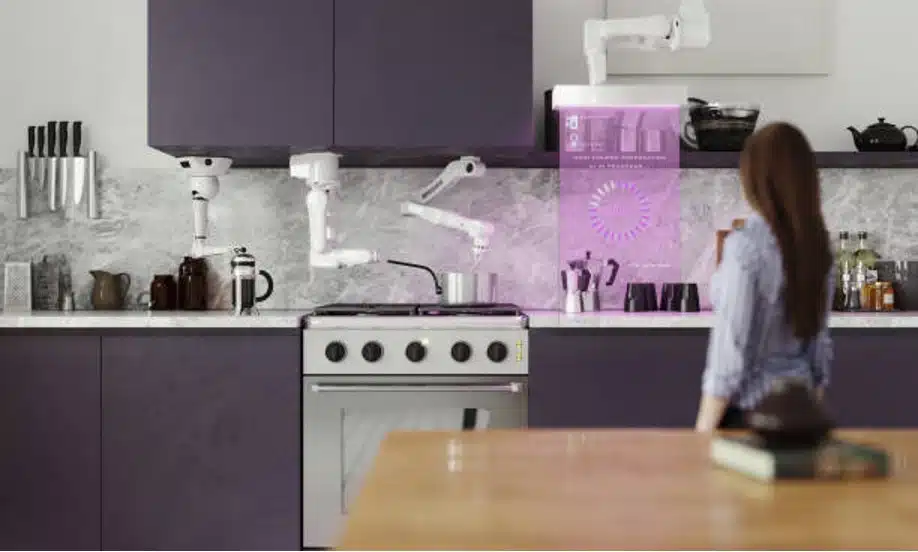
Future Consideration: The Future of Homes Technology with IoT
The future of smart houses is promising. The IoT devices will be more superior and will be able to learn even more and integrate more easily. Soon homes can be used to predict needs with high precision or they can handle tasks without human interventions.
Conclusion
They introduce automation, convenience, security, and sustainability in their daily lives. Homes are increasingly personalized and responsive with better connectivity and data-driven intelligence. IoT is still defining the future of living, and it is simplifying everyday activities and making homes smart. The process has just started and years ahead are going to bring even more innovations that will transform the way people will relate with their spaces of living.

