

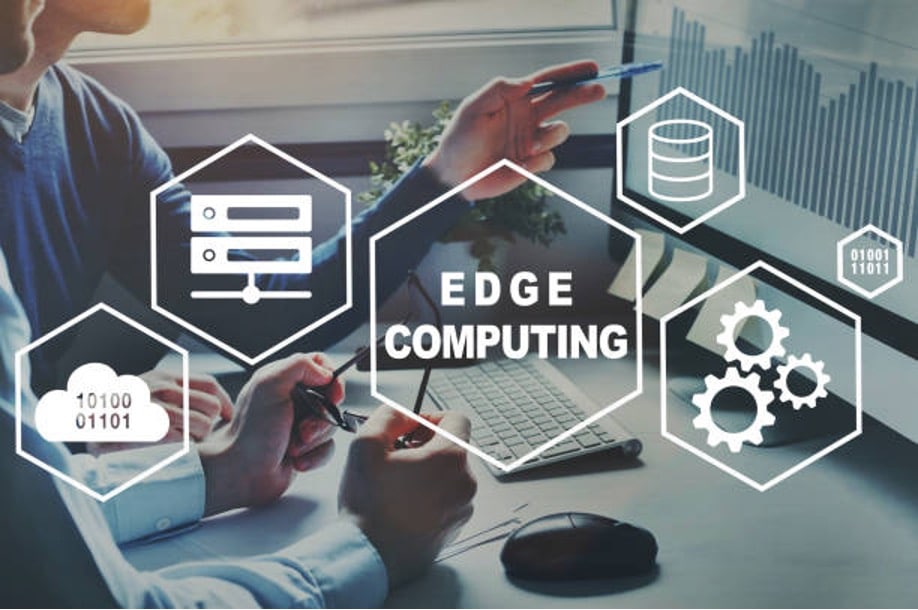
The world is changing because of the fast rate of technology. There is a new system and architecture coming up annually. Of them, edge and cloud computing are the most significant. Now both are used by businesses to operate, process data and experience by customers. Making a decision between them may be disorienting. All of them have their own advantages and drawbacks. This paper will enable you to learn the two models in detail. It will lead you to what will be best for your business.
Learning Cloud computing: The Engine of the new business
Cloud computing has emerged as a platform of digital operations. It enables businesses to store, process and manage data over the internet. Companies do not purchase physical servers but use remote servers offered by cloud vendors. This reduces the hardware expenses and enhances flexibility. The cloud is favorable to most businesses due to its ability to scale easily.
Collaboration is also supported by cloud computing. Teams will be able to access files and applications anywhere and any time. This facilitates work of remote teams. Cloud platforms too have good security capabilities, scheduled backups, and automatic updates. These advantages make cloud computing a secure option to a number of industries.
What Is Edge Computing and Why Is It Increasing?
The edge computing is not the same as the cloud. It does not send a central server but processes information in proximity with the source. This saves time and enhances performance. It is perfect in those devices which require immediate responses. Smart cameras, manufacturing sensors and autonomous vehicles are examples.
The need for edge computing is rising with the development of IoT (Internet of Things). An increasing number of gadgets gather real-time information. Transferring all this information to the cloud is a slow and costly process. The solution to this problem is edge computing, which processes information locally. This would result in quicker results and less bandwidth consumption. This is one of the key factors that make edge computing trendy in 2025.
Important Differences between Edge and Cloud Computing
The principal distinctions which you have to know are the following:
Location of data processing Cloud processes data at a distance. Edge processes it towards the device.Latency and Speed: Cloud is slower with real time. Edge is latency reducing and responsive.
Use Cases Cloud is suitable to large datasets. Edge suits time-sensitive applications.These variations demonstrate that different business needs are addressed with the help of different models. Getting to know them gets you to think of a better IT strategy.
Where Cloud Computing Is the Preferable Alternative
Cloud computing is a good option for companies which require storage and flexibility. It facilitates intensive data processing that does not demand immediate results. As an illustration, cloud servers are effective with accounting systems, CRM applications, and e-commerce websites. These applications are based on stable performance and not on real time speed.
Companies that are also growing are also best suited to cloud services. The cloud has the ability to scale without additional hardware as your business grows. This helps to avoid downtimes and pressures on IT. There are also effective cybersecurity tools provided by cloud vendors. This assists companies to remain secure without having to construct elaborate security systems.
Cloud computing is also economical. You pay only for what you use. This contributes to its popularity with startups and small businesses which require efficiency.
Where Edge Computing Works Best
Edge computing is an option to consider when your business requires making fast and real-time choices. It is typical in such industries as manufacturing, health care, and logistics. Even a one-second delay can affect performance or safety. Edge computing addresses this through local data.
The following are scenarios in which edge computing is most applicable:
- Live tracking systems which require immediate alerts.
- Sensors and smart devices that create constant data.
- Sites that have low internet connectivity and speed of cloud connections are low.
- Artificially-intelligent hardware such as robots or self-checkout machines.
Bandwidth pressure is also minimized by edge computing. Only essential information is sent to the cloud as opposed to transferring all the information. This has a more effective working process.
Can You Use Both? The Strength of Hybrid Computing
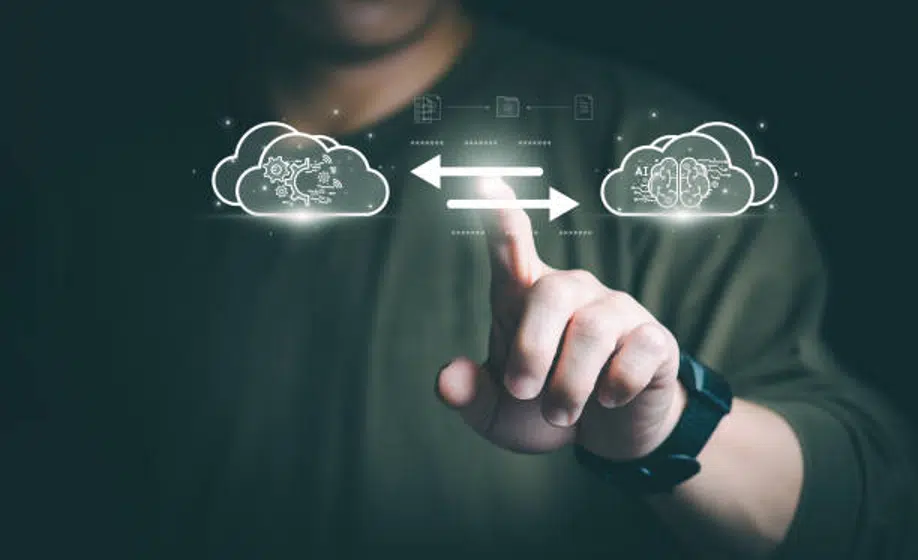
Several companies nowadays combine edge and cloud computing. This is referred to as hybrid computing. It brings the advantages of both models. Incidentally, edge handles process data instantly. The cloud handles storage, analytics, and long-term data.A hybrid arrangement enhances performance without compromising flexibility. Your essential processes are operated on a real-time basis, and your data is stored in the cloud in the long-term. This equilibrium establishes an improved working process. It also enhances reliability particularly in companies which have several branches or distant location.The emerging technology is the hybrid computing that will be a leading priority in 2025. It provides scalability, speed and stability.
Deciding on the best Choice of your Business
It is based on the best choice depending on the objectives of your business. Edge computing is a better alternative in case your processes are dependent on speed and real-time insights. Cloud computing will work better in case you require a large storage, automation, and cost saving. Other companies enjoy the two systems.Begin by analyzing the tasks that have to be processed immediately. Then take note of the amount of data that you process each day. Take into account your internet reliability and your IT budget. These are what will inform your choice. This is not to select the fashions. It is to choose what has the best effect on your business performance and long-term development.
Conclusion
Edge computing and cloud computing have potent benefits. One focuses on speed. The other is oriented towards scalability and flexibility. The knowledge of both models assist you in making the correct decision with your business. Whether you are engaged in a fast process of data processing, or you are storing considerable data, it is necessary to choose the appropriate method of computation. Having such a strategy will help you change faster, work smarter and keep up with the changing digital world.

