
For years, large corporations paid about three dollars per ton to assuage their guilt about climate change. They would funnel money to a middleman, point to a forest in a distant land and say, “Hey, that forest is now safe and sound,” and then slap a shiny badge on their products that read “Carbon Neutral.” It’s a business strategy that seemed genius and required little pain or expense. And it’s been wildly profitable.
But it’s also been a mathematical nightmare. And in 2026, that nightmare finally came to pass.
The Voluntary Carbon Market is in a state of crisis. Over the past two years, a number of watchdog groups and even the most prestigious scientific publications have pored over the numbers that back up the most popular carbon credits in the world. And what they’ve concluded is that most of the “avoidance” carbon credits are a complete and utter farce.
The Phantom Forests
If you want to understand why this is all falling apart, you first need to understand how this whole mess came to begin with.
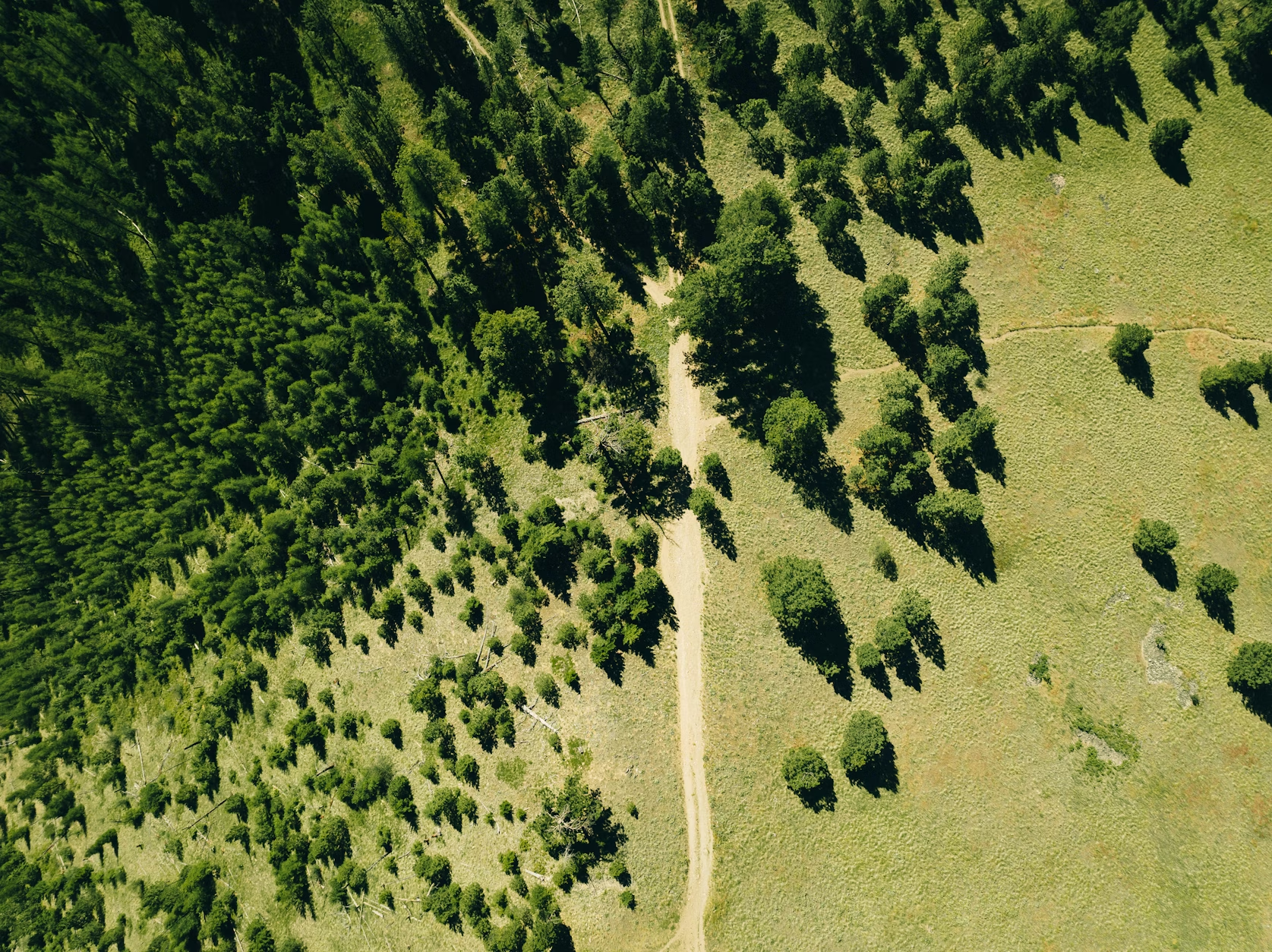
Most of these carbon credits were bought and sold under a category called REDD+ (Reducing Emissions from Deforestation and forest Degradation). Essentially, a company would pick a random area of land and then guess how many trees would likely be cut down due to illegal logging. Then they would sell that to a corporation and say, “Hey, you know what would’ve been emitted had we not done this? Sell us that.”
Well, the problem is that most of these forest areas weren’t actually in danger in the first place. So you end up creating a whole bunch of phantom carbon credits that are based on saving trees that never actually needed to be saved in the first place. And even when you did save a tree, you still had to worry about the problem of “leakage,” or when a company would simply pick a random town and start cutting down trees there instead. You can’t offset a tangible amount of carbon emissions from a plane with a spreadsheet calculation.
The Regulatory Hammer Drops
What was once an extensive ethical debacle has now morphed into a significant legal nuisance.
European regulators have had enough of greenwashing. With the EU’s Green Claims Directive now in effect, companies are prohibited from marketing their products as “climate positive” based on cheap and unverified carbon offsets. Any company caught engaging in this practice is subject to significant financial repercussions.
At the same time, companies are being forced to pay a strict tariff on the carbon footprint of their imported goods via the Carbon Border Adjustment Mechanism (CBAM). If companies attempt to reduce this tax burden by adding unverified and cheap legacy forest credits, they will be rejected outright.
The Market Fracture and the Flight to Quality
This is why the voluntary carbon market is not only declining but fracturing into two distinct markets.
Low-tier, unverified nature-based credits are being left untouched and unutilized due to corporate risk teams being terrified of being caught engaging in this practice.
Sustainability funding has not dried up; it has merely changed direction. The trend is now toward high-quality carbon removals. Companies are competing to secure Direct Air Capture, enhanced rock weathering, and biochar initiatives. These are verifiable and scientifically supported methods of removing CO2 from the atmosphere and sequestering it away for centuries.
Because this is an extremely complex and energy-intensive practice, there is a significant price difference between junk credits and high-quality carbon removals, which can sell for over $100 per ton.
The Death of “Carbon Neutrality”
This massive market correction is forcing a total rewrite of modern corporate climate strategy.
The days of a company continuing to pollute by buying offsets at a low cost are over. The big climate plans, like the SBTi, are showing everyone that the reality is finally sinking in. The first and only option is internal decarbonization. The business has to actually change its supply chain, use renewable energy, and change logistics before even thinking about offsets.
The future of high-quality carbon removal credits is not a PR exercise to say you are neutral. It is the inevitable, expensive cost of doing business in a changing world. The days of cheap greenwashing are over.

